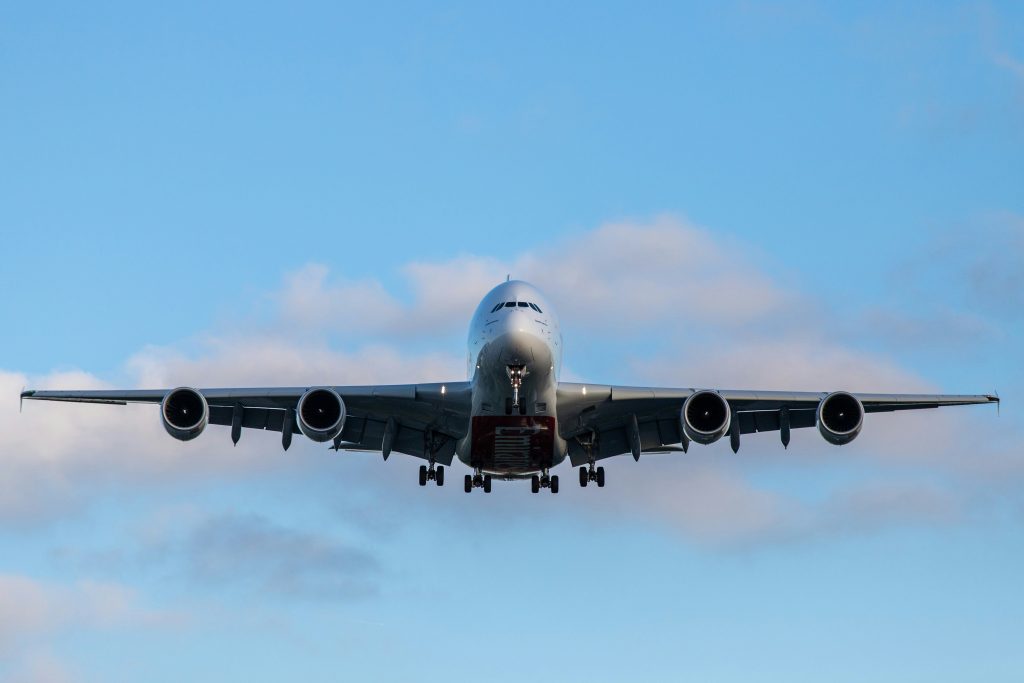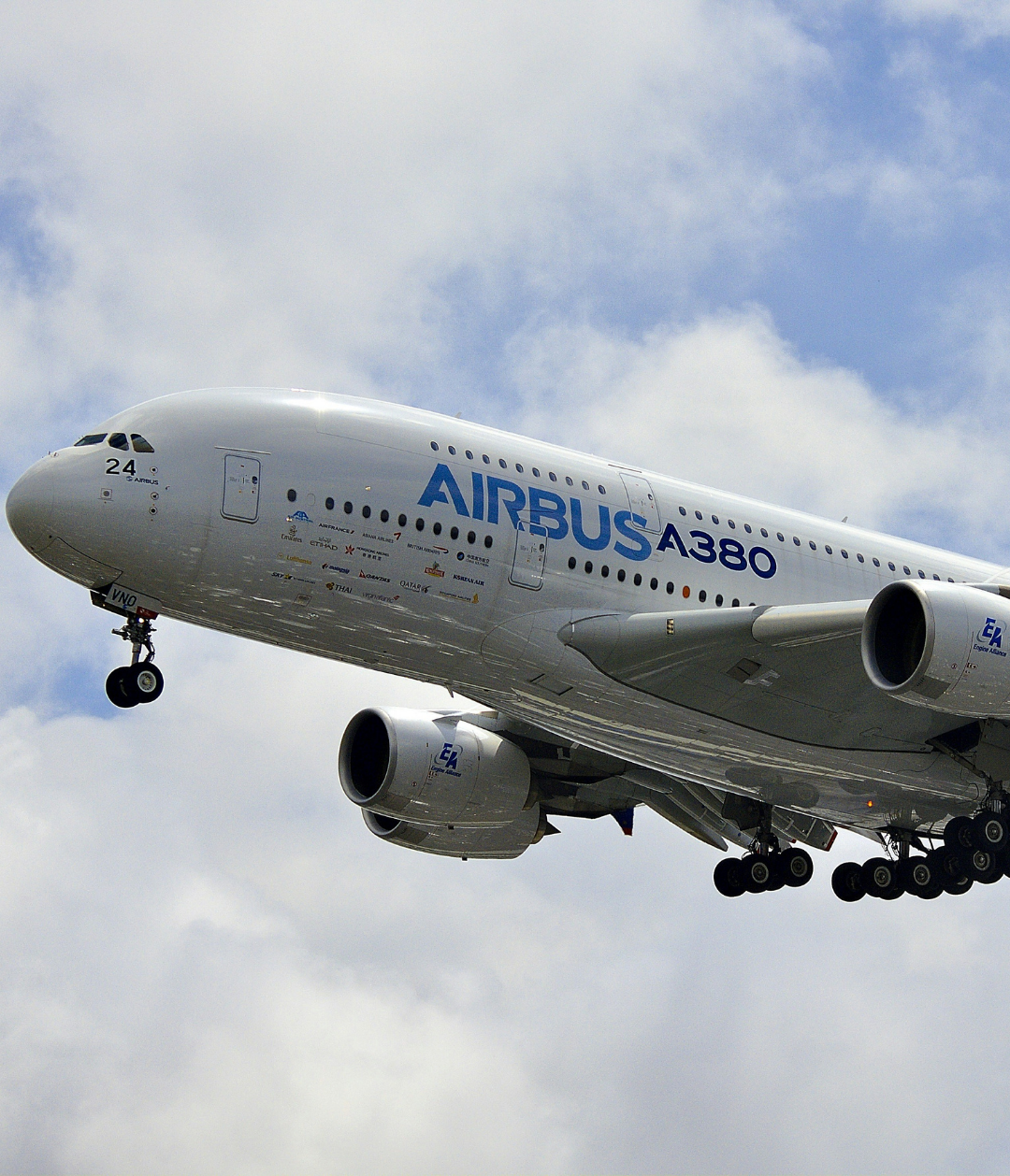

On 27th April 2005, the aviation industry witnessed a historic moment: the Airbus A380 first flight took off from Toulouse, capturing global attention. Not only was it the world’s largest passenger aircraft, but it also represented a bold vision for the future of air travel.
At that time, air traffic was growing rapidly. Therefore, Airbus believed bigger aircraft would solve congestion at major hubs. In other words, fewer flights with more passengers seemed like the logical path forward. As a result, the Airbus A380 first flight became a symbol of scale, ambition, and innovation.
How the Airbus A380 first flight changed aviation
From an engineering perspective, the A380 was a game changer. For instance, it introduced advanced composite materials and highly sophisticated fly-by-wire systems. Moreover, it was designed to be quieter and more fuel-efficient per passenger than older giants like the Boeing 747.
However, building such a complex aircraft was not without challenges. For example, production delays occurred due to wiring incompatibilities between different European sites. Consequently, the program faced delays of more than two years and billions in additional costs.
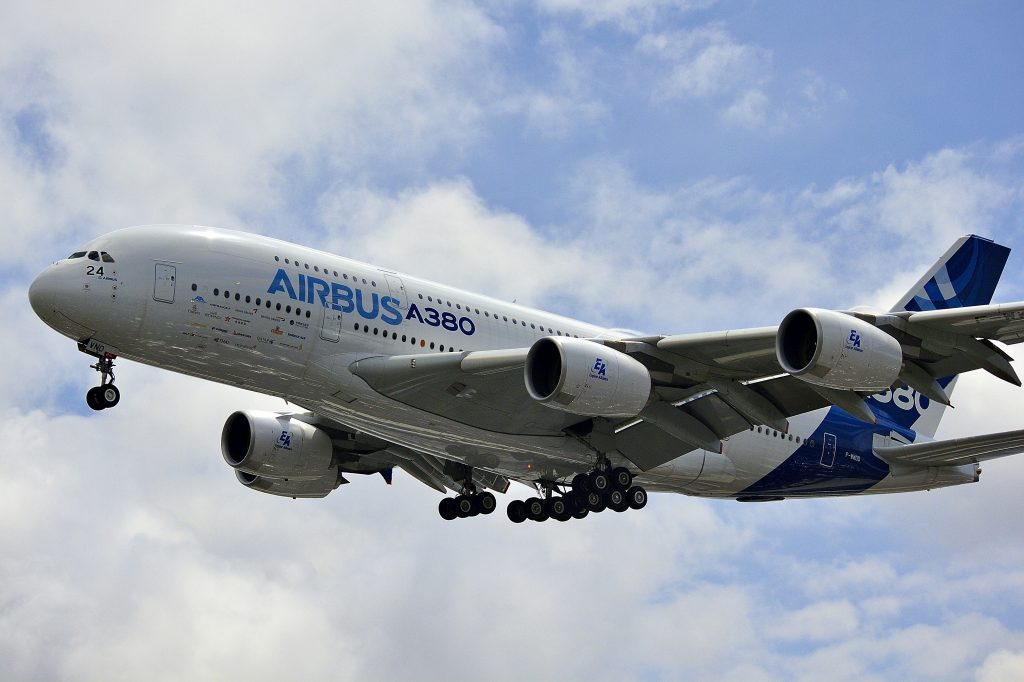
Nevertheless, the Airbus A380 first flight proved that large-scale collaboration across countries was possible. In addition, it pushed the limits of aerospace engineering and manufacturing coordination.
Beyond technology, the A380 had a massive impact on the workforce. On one hand, it created tens of thousands of jobs across Europe. On the other hand, it increased demand for highly skilled professionals such as B1/B2 engineers, composites specialists, and avionics experts.
Furthermore, the program helped develop new capabilities within the aerospace sector. As a result, many engineers gained experience that later transferred into other industries like renewable energy and defence.
However, when Airbus announced the end of production in 2019, the situation changed. Consequently, many professionals had to adapt quickly and move to new programs. Therefore, the Airbus A380 also highlights the importance of flexibility in today’s job market.
A passenger experience like no other
From the passenger’s point of view, the A380 redefined long-haul travel. For example, airlines such as Emirates introduced onboard lounges and even showers. As a result, flying became more than just transportation, it became an experience.
In addition, the aircraft offered unmatched space and comfort. However, its size also created limitations. For instance, not all airports could handle the A380, which reduced its operational flexibility.
Meanwhile, the aviation industry began shifting toward smaller, long-range aircraft like the Boeing 787 Dreamliner. Consequently, airlines started to prefer point-to-point routes instead of hub-based models.
A market shift Airbus didn’t fully predict
Airbus designed the A380 for a hub-and-spoke system; however, the market evolved differently. In contrast, airlines prioritized flexibility and frequency over sheer capacity.
As a result, only 251 A380s were delivered before production ended, according to Airbus data and Reuters analysis. Nevertheless, the Airbus A380 first flight still represents a major milestone in aviation history.
The lasting legacy of the A380
So, was the A380 a failure? Absolutely not. On the contrary, it reshaped expectations in engineering, passenger experience, and global collaboration.
Even today, many A380s remain in service, especially with Emirates. Therefore, its presence in the skies continues to remind the industry of what is possible.
Ultimately, the Airbus A380 represents ambition, innovation, and the willingness to think bigger. And above all, it shows that even when markets shift, true engineering achievements leave a lasting impact.